
Corte Bella Hedging Services
Choose our professional hedging services for precision, reliability, and lush, healthy boundaries that enhance your property's curb appeal and provide year-round privacy.
Get a Free QuoteOur Corte Bella Landscaping & Yard Care Services
When to Schedule Hedging in Corte Bella, Arizona – Seasonal Guide
In Corte Bella, Arizona, timing your hedging services is crucial for maintaining healthy, attractive landscapes. The region’s unique climate—characterized by hot, dry summers and mild winters—means that the best periods for hedging are typically late winter through early spring, before new growth begins. This timing helps minimize plant stress and encourages robust regrowth, especially for properties near the Corte Bella Golf Club or along Deer Valley Drive, where lush, well-maintained hedges are a neighborhood hallmark.
Local environmental factors play a significant role in determining the optimal hedging schedule. For example, the area’s risk of late winter frost can impact when it’s safe to prune, while extended drought periods require careful attention to soil moisture and plant health. Properties with dense shade from mature mesquite or palo verde trees, or those situated near the Sudbury community center, may also experience different growth patterns due to microclimates and soil composition. Understanding these local nuances ensures your hedges remain vibrant and resilient throughout the year.
Local Factors to Consider for Hedging in Corte Bella
- Tree density and shade coverage around your property
- Soil type and drainage, especially in areas with clay or sandy soils
- Seasonal precipitation patterns and drought risk
- Proximity to landmarks like Corte Bella Golf Club or community parks
- Municipal restrictions or HOA guidelines on pruning and landscaping
- Frost dates and temperature fluctuations during late winter and early spring
Benefits of Hedging in Corte Bella
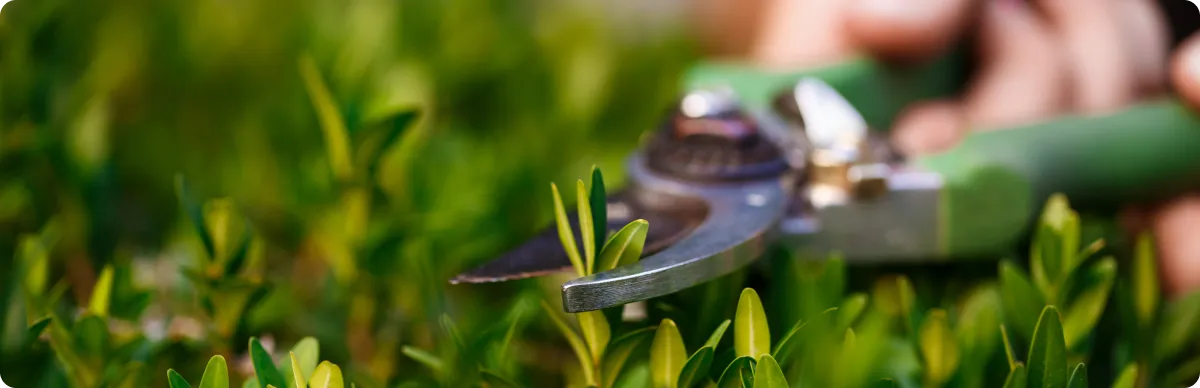
Enhanced Curb Appeal
Increased Property Value
Improved Privacy
Professional Landscaping Expertise
Customized Hedge Designs
Year-Round Maintenance
Corte Bella Hedging Types

Boxwood Hedges
-
Privet Hedges
-
Indian Laurel Columns
-
Oleander Hedges
-
Pittosporum Hedges
-
Ficus Nitida Hedges
-
Texas Sage Hedges
Our Hedging Process
Consultation and Planning
Site Preparation
Precision Trimming
Cleanup and Inspection
Why Choose Corte Bella Landscape Services
-
Corte Bella Homeowners Trust Us
-
Expert Lawn Maintenance
-
Reliable Irrigation Solutions
-
Comprehensive Weed Control
-
Professional Tree and Shrub Care
-
Consistent Quality Service
-
Responsive Customer Support
Coordinating Hedging Services With Corte Bella's Community and County Oversight
Corte Bella is a private, age-restricted golf community located within unincorporated Maricopa County in the Sun City West area. Because it falls outside any incorporated municipality, hedging work on residential properties is subject to both the community's internal architectural and landscape standards and Maricopa County's code compliance framework. Residents should verify current hedge height, species, and setback expectations through the Corte Bella homeowners association before scheduling shaping or removal work. For properties adjacent to county rights-of-way, drainage easements, or shared access corridors, coordination with Maricopa County's development services division is advisable to confirm that hedge placement does not obstruct sightlines or encroach on public infrastructure.
- Confirm hedge species and height allowances with the Corte Bella HOA prior to any major reshaping
- Verify whether hedges along property boundaries fall within county drainage or utility easements
- Coordinate green waste disposal through the community's designated hauling procedures, as unincorporated areas may not receive municipal curbside collection
- Review Maricopa County Trees & Air Quality resources for guidance on vegetation management near roadways
Maricopa County Planning & Development
301 W Jefferson St, Phoenix, AZ 85003
Official Website: Maricopa County Planning & Development
Corte Bella Neighborhood Resources
Official Website: Corte Bella Neighborhood Resources
How Corte Bella's Low-Desert Heat and Alkaline Soils Affect Hedge Health
Corte Bella sits in USDA Hardiness Zone 9b within the Phoenix metro low desert, where summer temperatures routinely exceed 110°F and annual rainfall averages under eight inches. These conditions directly influence hedge species selection, shaping frequency, and irrigation demand. Soils throughout the community are predominantly alkaline sandy loam with caliche layers at varying depths, which restricts root penetration and limits water infiltration. Reflected heat from stucco walls, concrete driveways, and decorative rock mulch intensifies thermal stress on hedge foliage, particularly on south- and west-facing exposures.
- Alkaline soil pH (commonly 7.5–8.5) can cause iron chlorosis in hedges such as privet and boxwood, requiring chelated iron supplementation
- Caliche hardpan may force root systems laterally, leading to shallow anchoring and increased wind vulnerability during monsoon microbursts
- Irrigation dependence is year-round; hedges in Corte Bella rely entirely on drip or bubbler systems, and emitter placement must account for the full root zone width
- Monsoon runoff from July through September can erode soil around hedge bases, especially on sloped lots or near retention basins, requiring attention to grade stability
The USDA Plant Hardiness Zone Map and USDA Web Soil Survey provide site-specific data useful for evaluating hedge suitability in this environment.
Navigating Corte Bella's Regulatory Framework for Hedge Compliance and Stormwater Protection
Because Corte Bella is in unincorporated Maricopa County, hedge-related compliance involves both county-level environmental regulations and the community's own covenants, conditions, and restrictions. Maricopa County enforces stormwater quality standards under its Phase II MS4 permit, which means landscape debris—including hedge clippings, leaf litter, and soil disturbance—must not enter storm drains, washes, or retention basins. The Arizona DEQ Stormwater program outlines the broader regulatory framework governing non-point-source pollution from landscape maintenance activities.
- Hedge clippings and trimmings must be collected on-site and disposed of properly; blowing or raking debris into street gutters or drainage channels is prohibited under stormwater regulations
- Any chemical treatment applied to hedges, including fungicides or growth regulators, must be performed by an applicator licensed through the Arizona Department of Agriculture
- Hedges along shared property lines or near golf course boundaries may be subject to additional HOA architectural review
- Visibility clearance along driveways and intersections should be confirmed with county standards to avoid code enforcement action
Maricopa County Environmental Services
301 W Jefferson St, Phoenix, AZ 85003
Official Website: Maricopa County Environmental Services
Timing and Methods for Professional Hedge Shaping in Corte Bella's Climate
Professional hedging in the low desert follows a seasonal rhythm dictated by plant growth cycles and extreme temperature windows. Most desert-adapted hedge species used in Corte Bella—such as Texas sage (Leucophyllum frutescens), oleander, Arizona yellow bells (Tecoma stans), and Indian hawthorn—experience their primary growth flush from late March through May and a secondary flush after monsoon rains in August and September. Shaping during active growth allows plants to recover quickly and fill in uniformly.
- Late February through April is the primary shaping window, when temperatures are moderate and plants are entering active growth
- Avoid heavy shaping from June through mid-July, when extreme heat above 110°F can cause sunscald on newly exposed interior wood
- Post-monsoon touch-up shaping in September or early October addresses storm-damaged growth and restores form before winter dormancy
- Late November through January is appropriate only for light corrective trimming; hard cuts during cool months slow recovery and may expose frost-sensitive tissue during occasional overnight freezes
- Maintain hedge irrigation for at least 48 hours before and after shaping to reduce transplant shock and support wound closure
- Use sanitized, sharp shearing tools to minimize tearing, which invites pest entry in the warm, dry climate
Guidance from the Arizona Department of Water Resources landscaping program emphasizes coordinating irrigation schedules with landscape maintenance to conserve water while supporting plant health.
What Neighborhoods Do We Serve Throughout Corte Bella, AZ?
- Corte Bella Golf Estates — Larger lots along the golf course feature mature oleander and Texas sage hedges that require regular shaping to maintain sightlines and course-boundary compliance.
- Corte Bella Patio Homes — Compact lot sizes and close proximity between structures increase reflected heat on hedges, demanding careful species selection and frequent irrigation monitoring.
- Corte Bella Casitas — Attached and semi-attached residences often share hedge borders, requiring coordination between adjacent owners and adherence to HOA uniformity standards.
- Corte Bella Villas — Properties near community common areas and walking paths may have hedges subject to height restrictions to preserve pedestrian visibility and neighborhood aesthetics.
- Perimeter Lots Along 163rd Avenue — Hedges on these properties serve as noise and dust buffers from adjacent roadways and may require more frequent shaping due to increased exposure to wind and road debris.